
Creative tools to simplify your busy, colorful life
At pretty's prints, I share easy printables and tips designed to help you stay organized, spark creativity, and enjoy a more balanced, stress-free day.
KDP
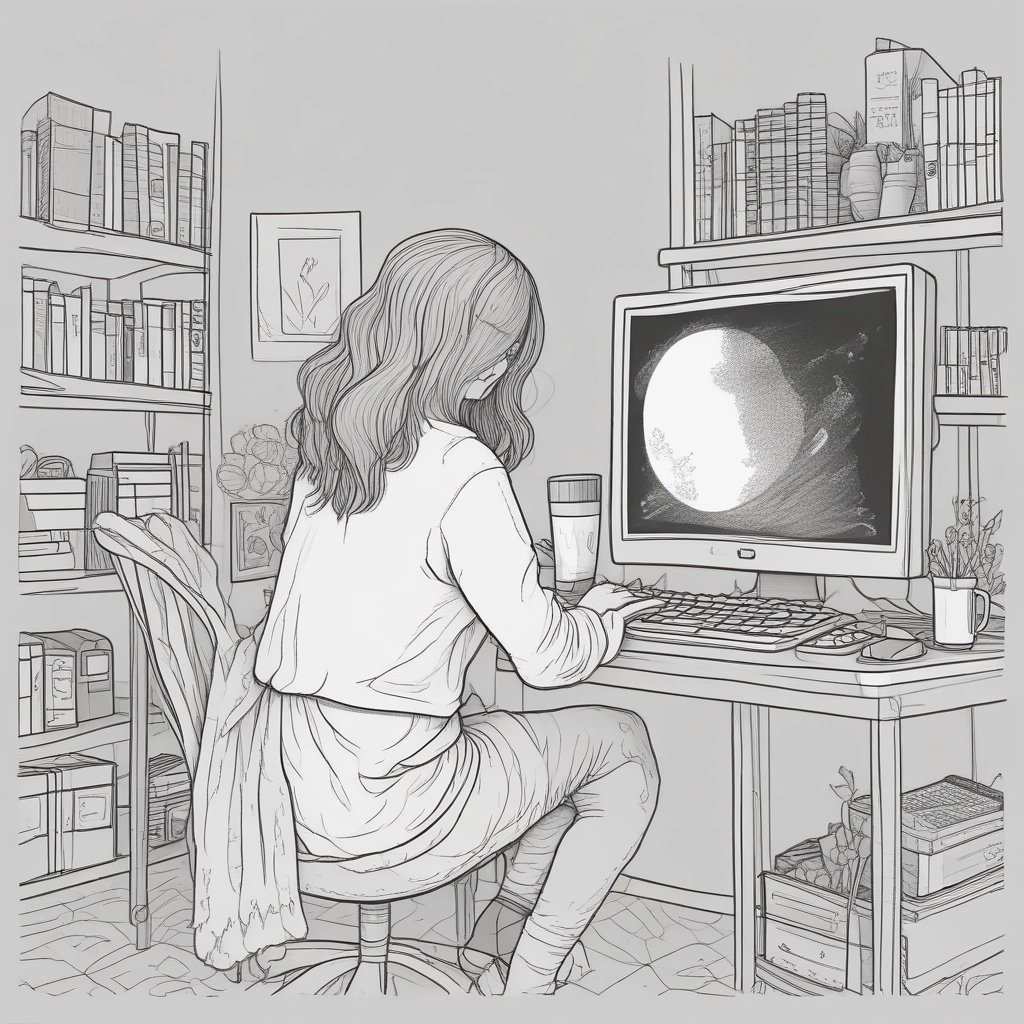
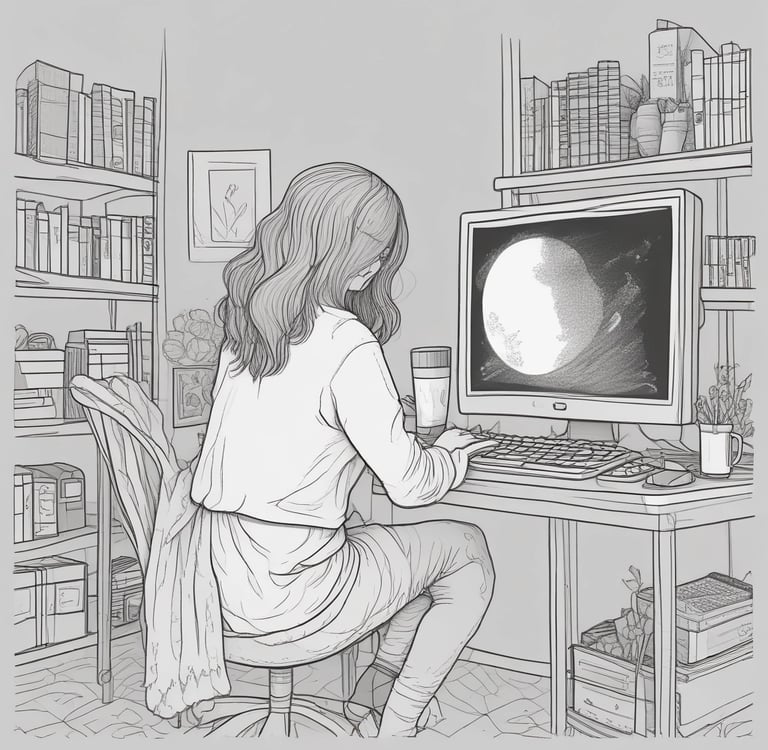
Coloring pages aren’t just for kids anymore, they’ve become a creative outlet for people of all ages. Whether you're an artist looking to share your designs, a teacher creating classroom materials, or simply someone who loves doodling, making your own coloring pages can be both relaxing and rewarding.
In this post, we'll walk through how to create beautiful, printable coloring pages, even if you're not a professional artist!
🖊️ Step 1: Choose a Theme
Every great coloring page starts with a concept. Think about what inspires you or what your audience might enjoy coloring. Popular themes include:
Nature: flowers, animals, trees, landscapes
Mandalas and patterns
Inspirational quotes with decorative borders
Holidays: Christmas, Halloween, Easter
Fantasy elements: fairies, dragons, and magical creatures
Tip: Keep your theme unified — it helps the page look cohesive when colored.
✏️ Step 2: Sketch Your Design
Grab your favorite drawing tools — whether it’s pencil and paper or a tablet — and start sketching. Aim for bold outlines and clearly defined shapes. Simplicity is key; coloring pages are meant to be filled in, not overloaded with detail.
If drawing by hand:
Use black ink or a fine liner to create clean, strong outlines.
Keep the shapes large enough to be easily colored.
If you prefer digital tools:
Use software like Adobe Illustrator, Procreate, or Krita for vector or raster drawing.
Separate your line art on a transparent background (this makes it easier to print or edit later).
💻 Step 3: Digitize and Clean Up
If you drew by hand, scan your image or take a high-resolution photo. Import it into editing software like Photoshop, GIMP, or Canva. Adjust brightness and contrast to make the lines crisp, and clean up any smudges or extra marks.
You can also use free online tools to convert your sketch into a black-and-white line drawing automatically.
🖨️ Step 4: Format for Printing or Sharing
Once your design looks polished, export it as a PDFor PNG file at a high resolution (300 DPI is ideal for printing). Consider adding a small signature or watermark if you plan to share your work online.
For digital artists or small businesses, think about packaging multiple pages into a printable coloring book. Platforms like Etsy, Gumroad, or your own website are perfect for selling or sharing these creations.
🌈 Step 5: Test and Share
Before publishing, print a test page and color it yourself! This not only helps catch any design issues but also gives you a sense of how enjoyable it is to color. Then, share your creations on Instagram, Pinterest, or your blog — coloring pages do great on visual platforms.
🪄 Bonus Tip: Use AI or Design Tools
You can even use AI art tools or design templates to jumpstart your ideas. Many programs can turn your sketches or photos into coloring-book-style line art that you can refine manually afterward.
Final Thoughts
Creating coloring pages is a beautiful mix of art, creativity, and mindfulness. It’s something you can do to relax, to teach, or even to start a small side business. So grab your pen, open your laptop, and start turning your imagination into ink!
🎨 How to Create Your Own Coloring Pages: A Fun Guide for Artists and Hobbyists
Contact
Questions? Reach out anytime!
hello@prettysprints.com
© 2025. All rights reserved.